


Why Is One Eye's Prescription Stronger Than the Other? Understanding Differences in Vision Between Eyes
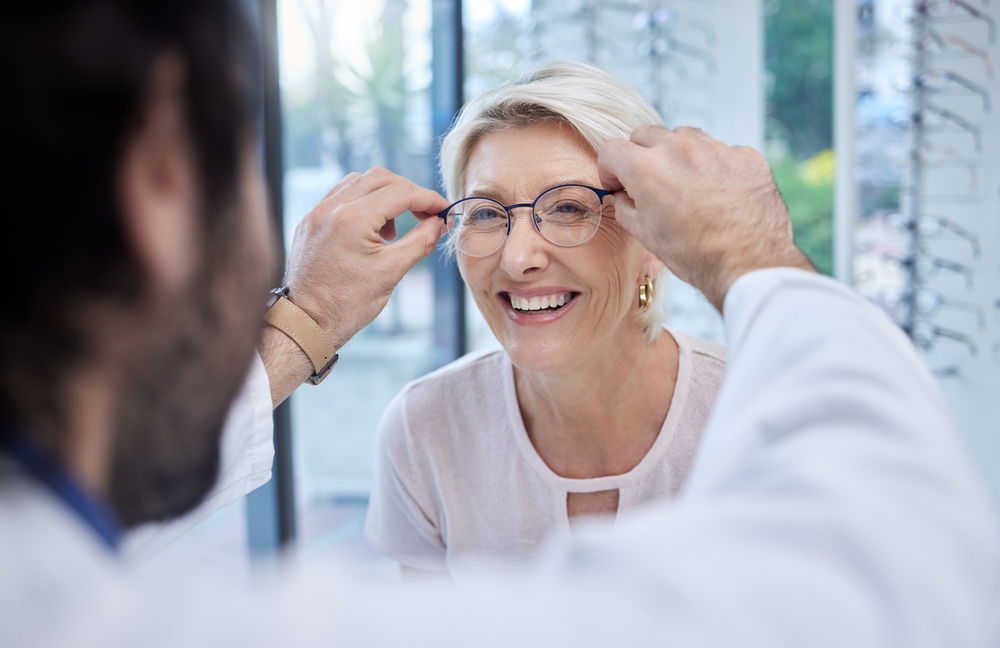
Have you ever noticed that one eye sees more clearly than the other? It's common for your eyes to have different prescriptions, even if you haven't noticed a difference in your everyday vision. At Northgate Vision Associates in Hixson, TN, we help patients understand these differences and determine whether prescription adjustments are needed for comfortable, clear vision.
Why Do Eyes Have Different Prescriptions?
When one eye requires a stronger prescription than the other, the difference in refractive error is called anisometropia. This occurs when each eye focuses light differently, often because of differences in eye shape, length, or the curvature of the cornea.
For example, one eye might be more nearsighted than the other, or one eye may have astigmatism while the other does not. These differences can develop during childhood or change gradually with age.
Small prescription differences are common and may not cause noticeable symptoms. However, larger differences can sometimes affect how comfortably your eyes work together.
What Causes One Eye to Have Worse Vision?
Several factors can contribute to differences in vision between eyes, including:
Natural eye development: Each eye may grow or develop slightly differently, resulting in different prescriptions.
Refractive errors: Nearsightedness, farsightedness, and astigmatism can affect each eye to varying degrees.
Age-related changes: Changes in the eye's natural lens, including cataracts, can affect vision differently between eyes.
Eye injuries or conditions: Previous injuries, corneal irregularities, or certain eye diseases can cause unequal vision.
Prescription changes: One eye's prescription may change more quickly than the other's over time.
Our comprehensive eye exams in Hixson help us identify prescription differences and evaluate your overall eye health.
Can Different Eye Prescriptions Cause Problems?
Many people with slightly different prescriptions experience no significant difficulties. However, a larger difference can make it harder for the brain to combine images from both eyes comfortably.
Some patients experience headaches, blurred vision, eye strain, or difficulty judging distances. Others may notice discomfort when reading or working on a computer.
In children, significant uncorrected prescription differences can increase the risk of amblyopia, commonly called lazy eye. This happens when the brain favors the clearer eye, potentially affecting visual development in the other eye.
Because these symptoms can have multiple causes, a comprehensive eye exam is important for identifying the underlying issue.
How Are Different Prescriptions Between Eyes Corrected?
Treatment depends on the size of the prescription difference, your symptoms, and your overall eye health.
For many patients, prescription glasses provide effective vision correction. However, significant differences between the eyes can sometimes make glasses less comfortable because each lens may produce a differently sized image.
Contact lenses may be an alternative because they can reduce these image-size differences in certain cases. Our team can evaluate your vision and recommend an appropriate correction based on your individual needs.
When Should You Schedule an Eye Exam?
If you've noticed that one eye sees more clearly than the other, scheduling an eye exam can help determine whether your prescription has changed.
At Northgate Vision Associates, we evaluate each eye individually and assess how your eyes work together. Regular exams also help us monitor gradual prescription changes and identify potential eye health concerns.
Sudden changes in vision, especially in one eye, require immediate medical evaluation rather than waiting for a routine appointment.
If you're experiencing differences in vision between your eyes, contact Northgate Vision Associates in Hixson, TN, at (423) 693-2020 to schedule a comprehensive eye exam and find the right vision correction for your needs.


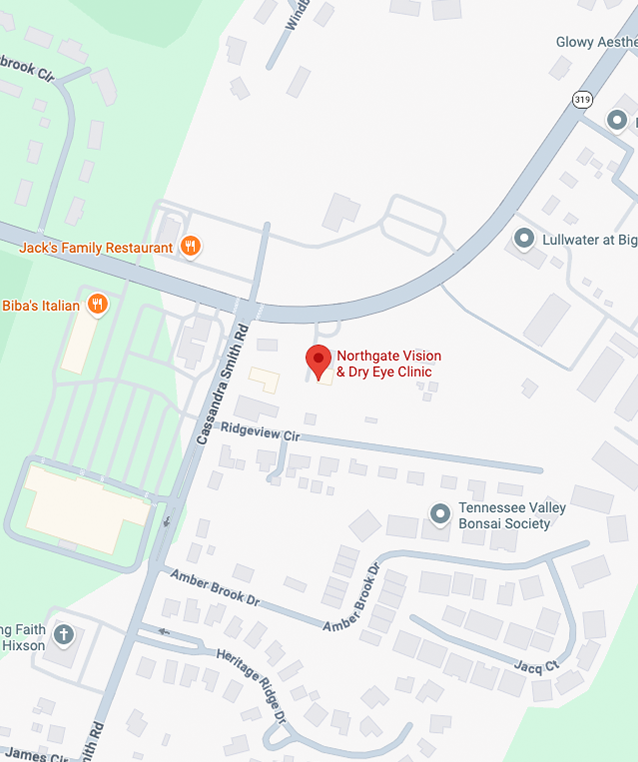
Contact Us
Let’s keep in touch!

Office Hours
- Monday 9:30am - 5:00pm
- Tuesday 9:30am - 5:00pm
- Wednesday 9:30am - 5:00pm
- Thursday 9:30am - 5:00pm (Closed 1pm - 2pm for lunch)
- Friday 9:00am - 1:00pm
- Saturday Closed
- Sunday Closed
© 2026 Northgate Vision & Dry Eye Clinic | All rights Reserved | Accessibility Statement | Privacy Policy | Sitemap
Powered by:
